Over the past year, social media has been flooded with “insider” videos regarding the origins of luxury goods. From TikTok to Reddit, the topic of “China exposing luxury brands” has gone viral. Netizens worldwide have begun questioning major fashion houses, with one particular rumor gaining traction: that so-called “Hermès Chinese factories” produce the goods, which are then shipped to France for final labeling to secure the “Made in France” status and maintain legitimacy. This has raised a question that makes every Hermès collector uncomfortable: Are Hermès bags made in China? As an industry insider, I must tell you: the truth behind the “Made in…” label is much deeper than you imagine.
Are Luxury Goods Made in China? — Dismantling the Low-Level Lie of “Original Factory Goods”
China is undeniably a global manufacturing powerhouse, excelling in high-tech textiles and precision production. Because of this, many luxury brands (such as Prada, Coach, or Burberry) do integrate Chinese suppliers into their supply chains. Prada even went as far as publicly disclosing the existence of its Chinese production lines in its IPO prospectus.
However, this does not mean Hermès follows the same path. Any seller claiming to be an “original Hermès factory” is peddling a low-level lie. Top-tier luxury houses enforce Non-Disclosure Agreements (NDAs) so strictly it’s almost obsessive; no legitimate factory would ever risk financial ruin by breaching a contract just to leak a few bags. These sellers are simply piggybacking on the manufacturing facts of brands like Prada to give their own replicas a “stolen” glow.
Why Doesn’t Hermès Choose “Made in China”?
This isn’t necessarily due to a higher moral ground; rather, it stems from two diametrically opposed business logics. The vast majority of luxury brands—such as Prada, Coach, or Burberry—pursue global industrial efficiency. China’s prowess in precision manufacturing and high-tech textiles provides these brands with the perfect support for Economies of Scale.
However, the core of Hermès leather goods lies in an obsession with Artificial Scarcity. In the logic of Hermès, there is no such thing as an assembly line. From the first cut of the leather to the final inch of the saddle stitch, a single bag is crafted entirely by one artisan who has undergone years of rigorous training. Every piece carries the “muscle memory” and time cost of a single individual—typically requiring 15 to 40 hours of labor.
This “workshop model”—which is extremely inefficient and deeply dependent on individual craftsmanship—is the polar opposite of the “standardized mass collaboration” upon which Chinese OEMs thrive. What Hermès rejects is not China, but the standardization and industrialization of its craft.
Facts You Must Know: The Legal Logic and Gray Areas Behind “Made in France”
Since Hermès adheres to a local artisan system, does a “Made in France” or “Made in Italy” heat stamp automatically guarantee the purest hand-craftsmanship? The reality is far more complex than you might imagine.
As a long-time appraiser deep in the luxury industry, I must reveal a hard truth: in the context of modern business, the “origin label” often isn’t a benchmark for craftsmanship, but rather a sophisticated legal game. Few consumers understand the gray areas within the EU Rules of Origin. The legal origin of a product isn’t determined by where every step—from the first to the last—took place. Instead, it depends on where the product underwent its “Last Substantial Transformation.”
This rule provides brands with immense profit margins. A brand can outsource the most labor-intensive and cost-heavy basic processes—such as rough leather cutting, lining stitching, or even the mass casting of metal hardware—to overseas factories with lower labor costs. As long as the bag returns to a top-tier European workshop for the final assembly of handles, edge painting, or quality inspection, it can legally bear that prestigious European label. This is why brands like Prada, Burberry, and Balenciaga frequently find themselves embroiled in origin controversies. It is a high-stakes balancing act: brands utilize industrial assembly lines to boost profits and efficiency, while relying on the “Made in…” stamp to maintain their luxury price premium.
Many people chase the “legitimacy of official identity,” but I want to tell you this: the moment a brand starts using legal logic to play word games with its origin, that stamp loses its sanctity. If the steep premium you pay is merely for a stamp rather than actual physical quality, then that “legitimacy” is becoming increasingly fragile.
Stripping Away the “Status Tax”: What Is the True Cost of a Birkin?
Now that the legal games behind origin labels have been exposed, if we strip away the myth of “Made in Europe,” how much are these bags worth?
As an insider who deals with top-tier leathers and saddle stitching daily, I know the cost breakdown of a Birkin all too well. When we dismantle the ethereal brand premium, the remaining truth is quite straightforward: what supports a top-tier bag is meticulous material selection and the manual labor time that cannot be replaced by industry.
But you must look clearly at the brutal numbers: When you pay $30,000 for a Birkin, at least $25,000 of that is a “Status Tax” unrelated to quality. You are paying for expensive Fifth Avenue rents, global celebrity marketing, and the “eligibility” the brand grants you to purchase its goods. In other words, the steep premium you pay is essentially a fee for “official status,” rather than a trade for better leather or superior craftsmanship.
Does “Made in China” Mean Low Quality? — From Industrial Assembly Lines to the Perfecthbags Custom Studio
Since 80% of the brand premium has nothing to do with quality, savvy individuals naturally look for the truth: if one only pursues 100% physical quality, where is the best craftsmanship found?
Today, “Made in China” is no longer a synonym for cheap production lines. As the world’s most advanced manufacturing hub, China possesses a world-class precision supply chain, which is why brands like Prada, Burberry, and Coach choose to integrate their core production lines here.
However, you must recognize a fundamental distinction: factories chasing output and studios chasing the limits of craftsmanship are two parallel paths. Under the logic of industrial production, no matter how expensive the materials are, the core goals remain “efficiency” and “standardization.” This means processes are broken down, and details are compromised in subtle ways to favor volume.
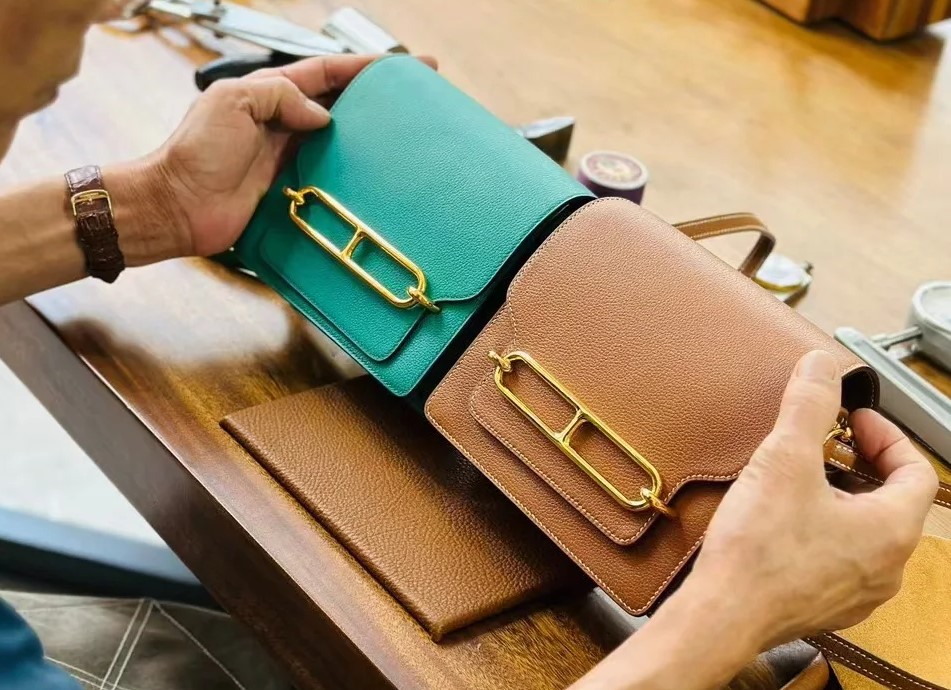
At Perfecthbags Studio, we choose a different logic. To achieve this 1:1 restoration of quality, we reject any compromised substitutes. We source directly from the world’s top tanneries, such as Germany’s Weinheimer and France’s HCP. We invited a 71-year-old retired artisan from the Hermès workshop to our studio to provide long-term technical guidance—covering everything from the angle of the leather cut to the pressure of the edge painting. We steadfastly adhere to the most time-consuming saddle stitching.
Check out the retired Hermès craftsman’s craftsmanship guidance to our artisans
(Note: If the video appears blurry, please adjust your quality settings to HD.)
How Perfecthbags Studio Tackles the “Impossible Tasks”
At Perfecthbags, we live for the challenge of “Impossible Commissions.” By taking on the most complex bags, we prove that when you have the right leather, the right tools, and the right hands, the “Magic” is just hard work and elite skill.
![]() | ![]() |
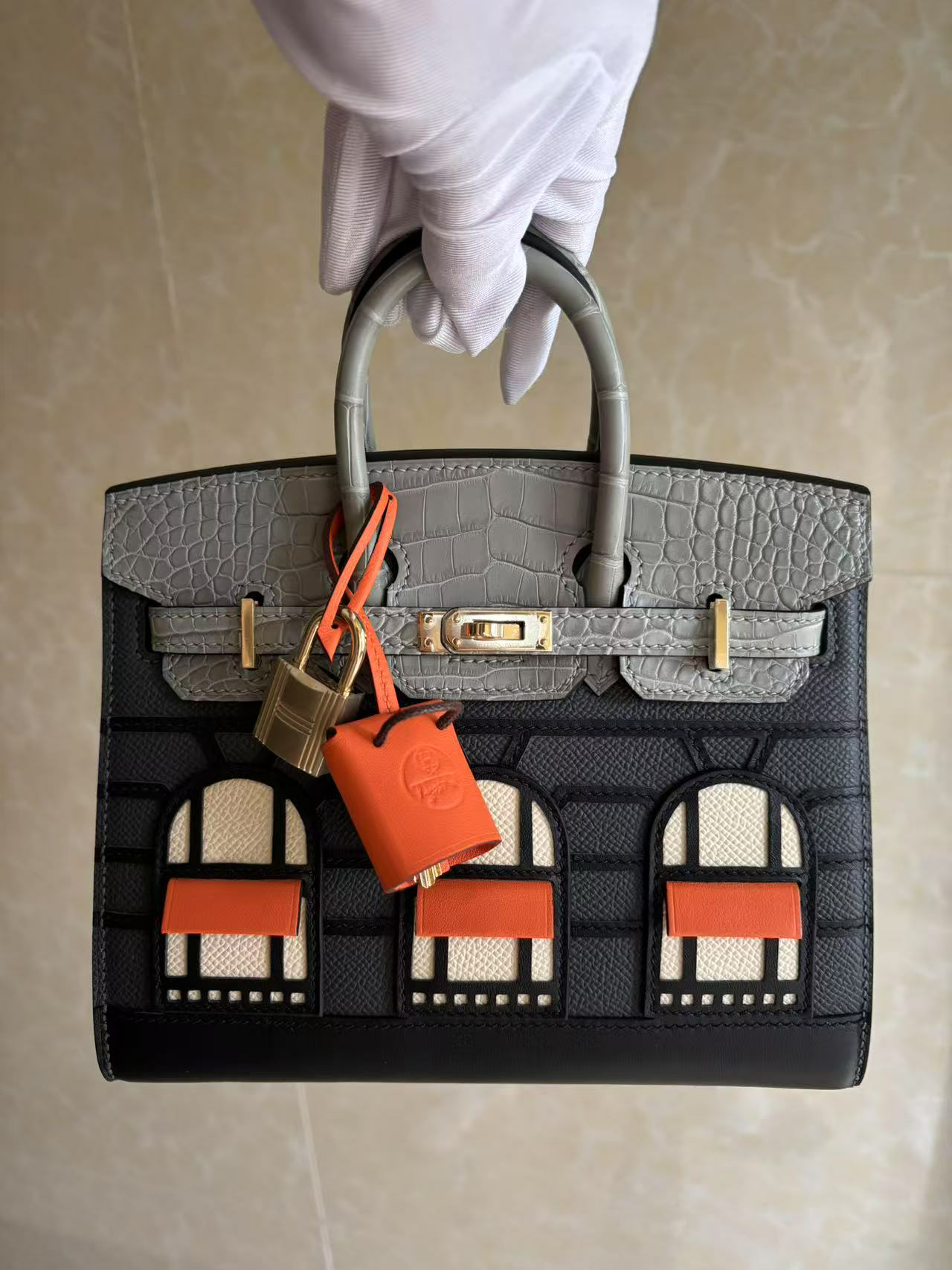
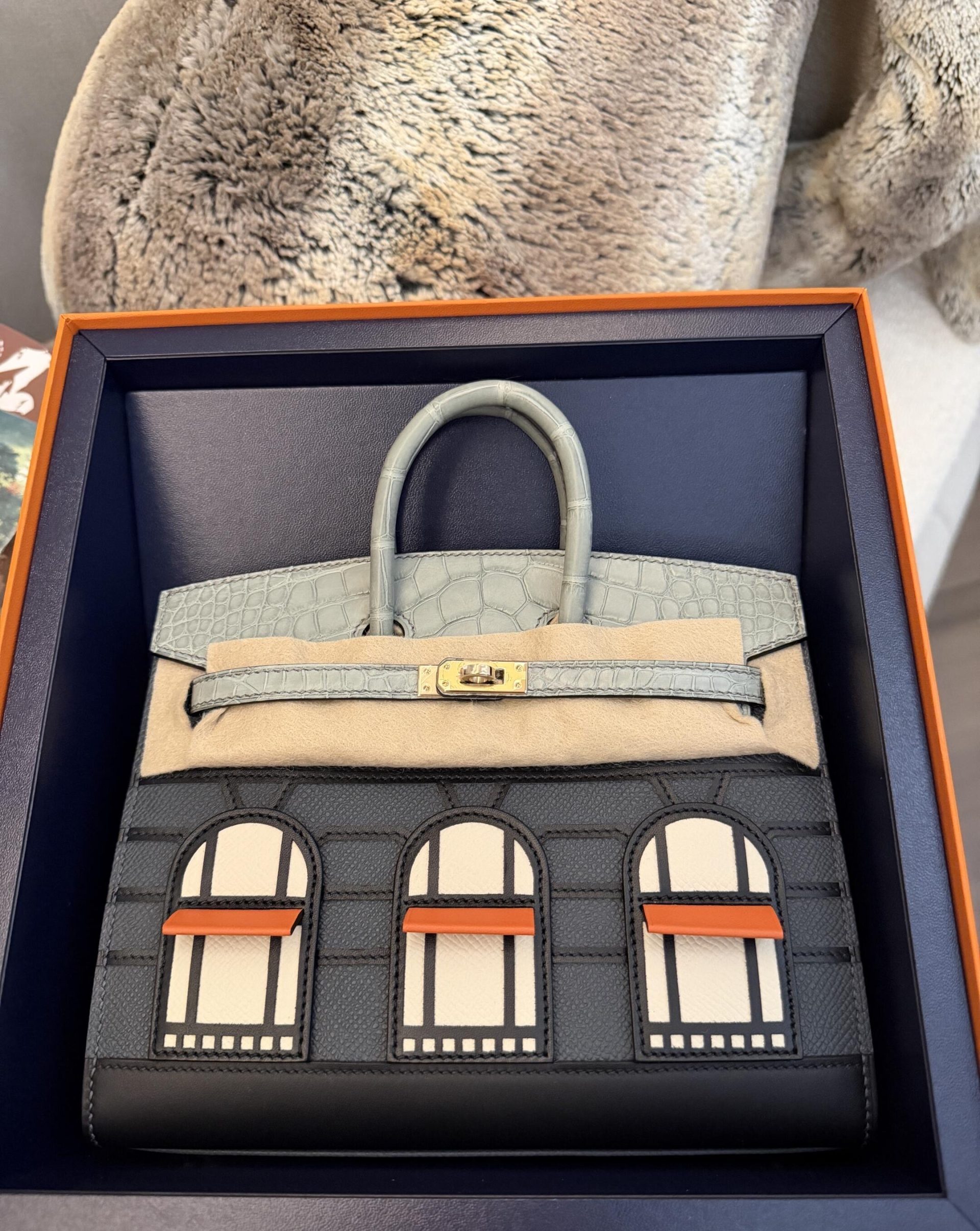
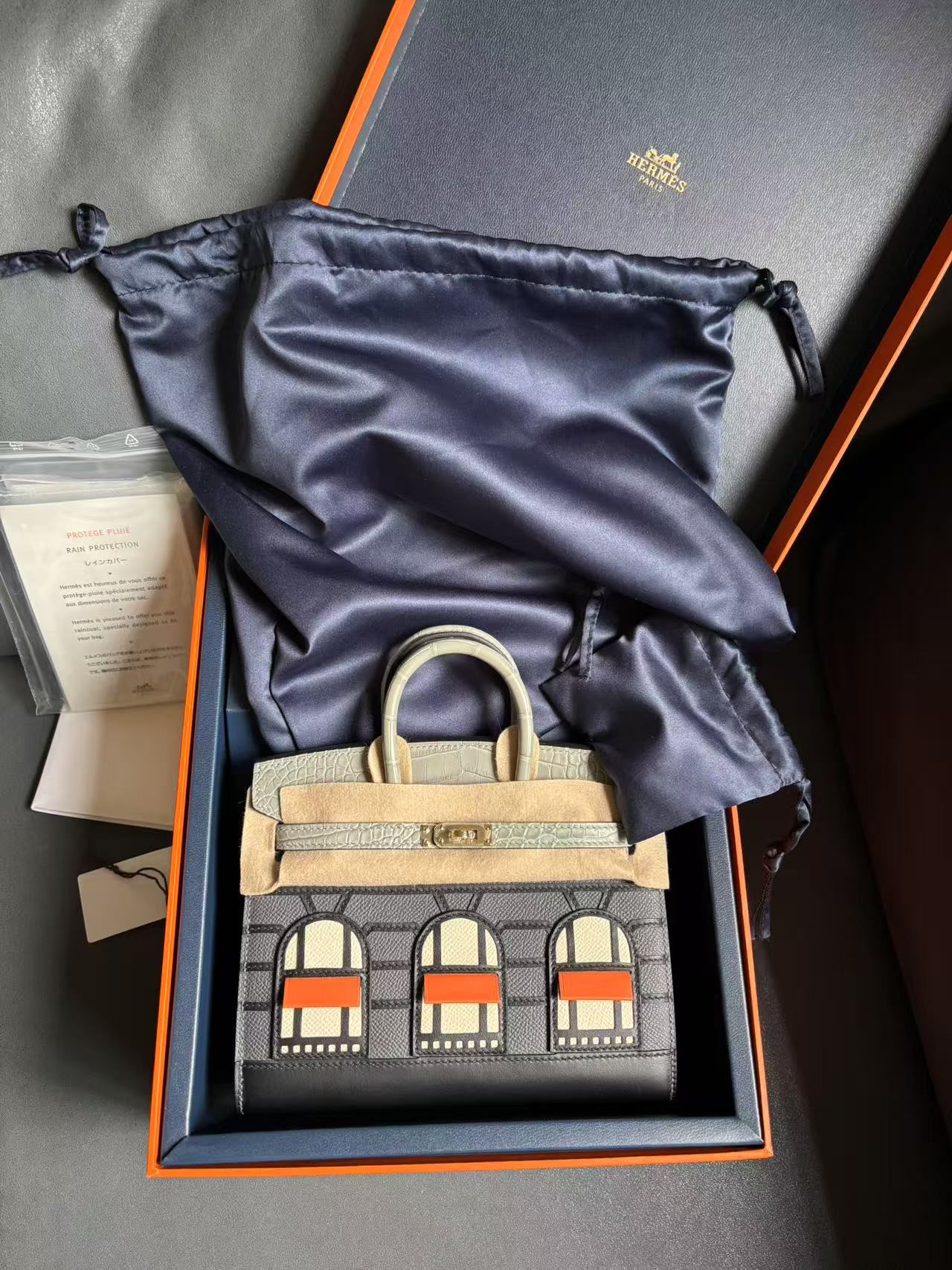
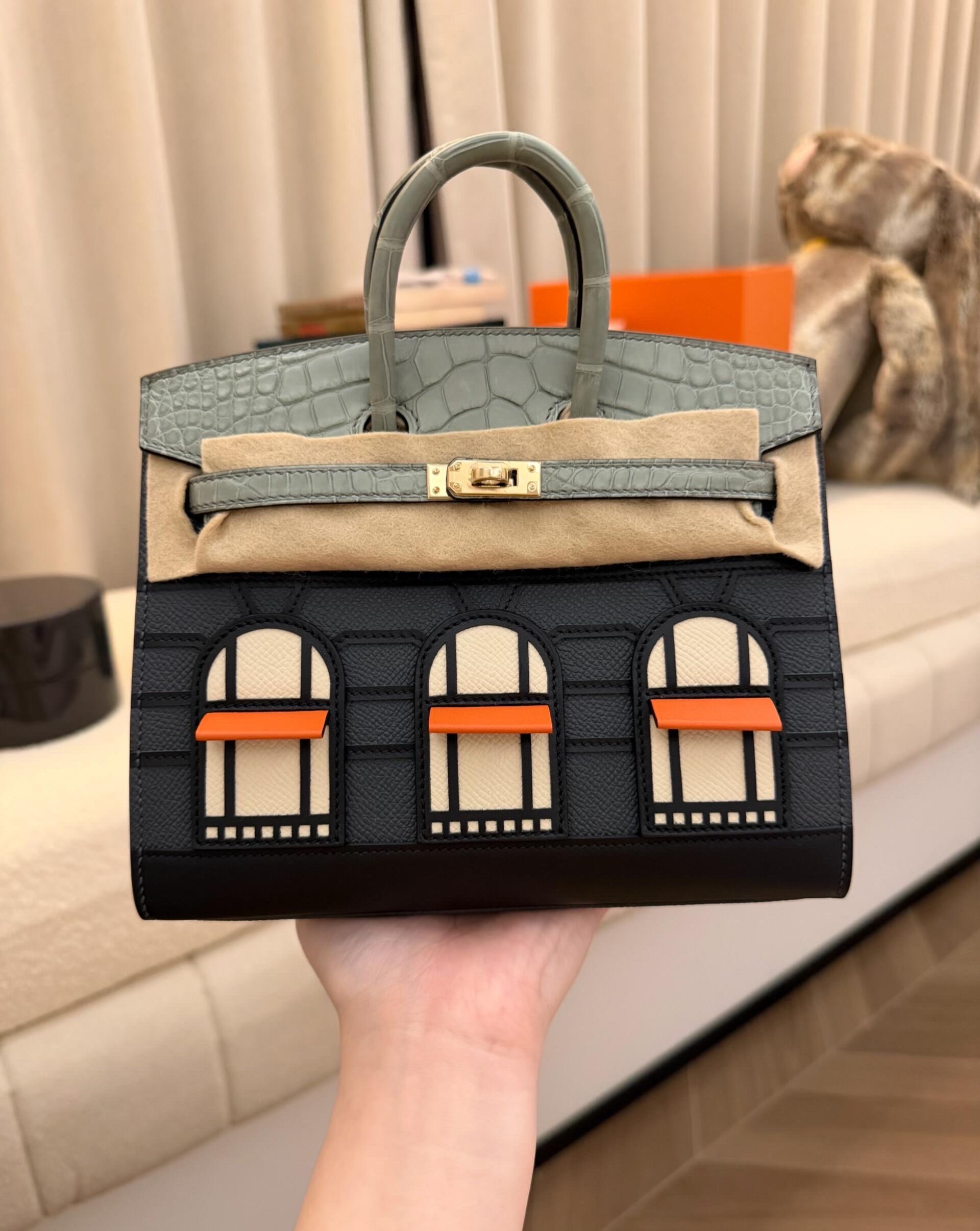
The Faubourg Birkin is a miniature masterpiece. We’ve mastered this 1:1 symmetry, offering collectors the prestige of a $300,000 trophy without the $300,000 “mugging risk”.
![]() | ![]() |
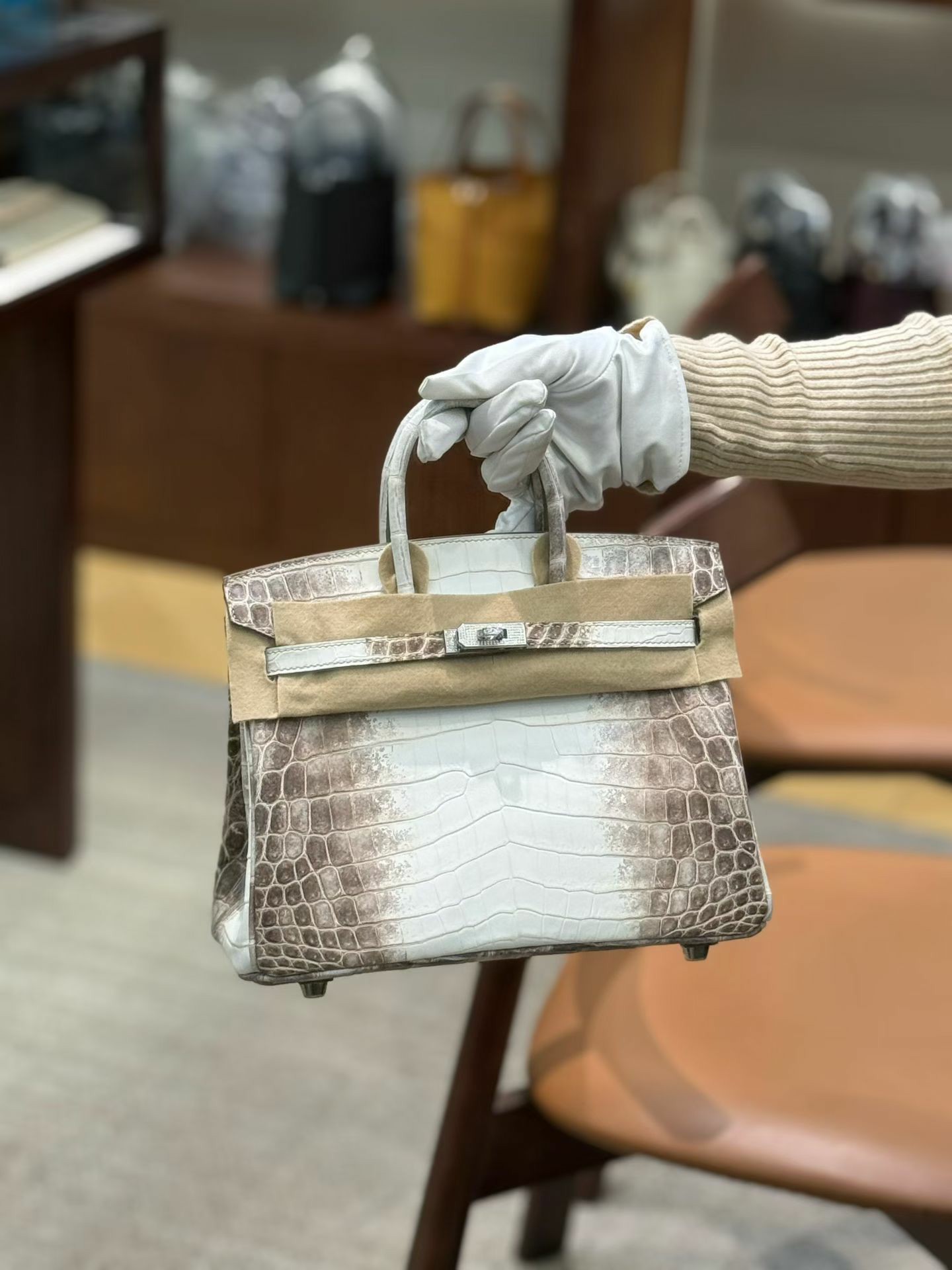
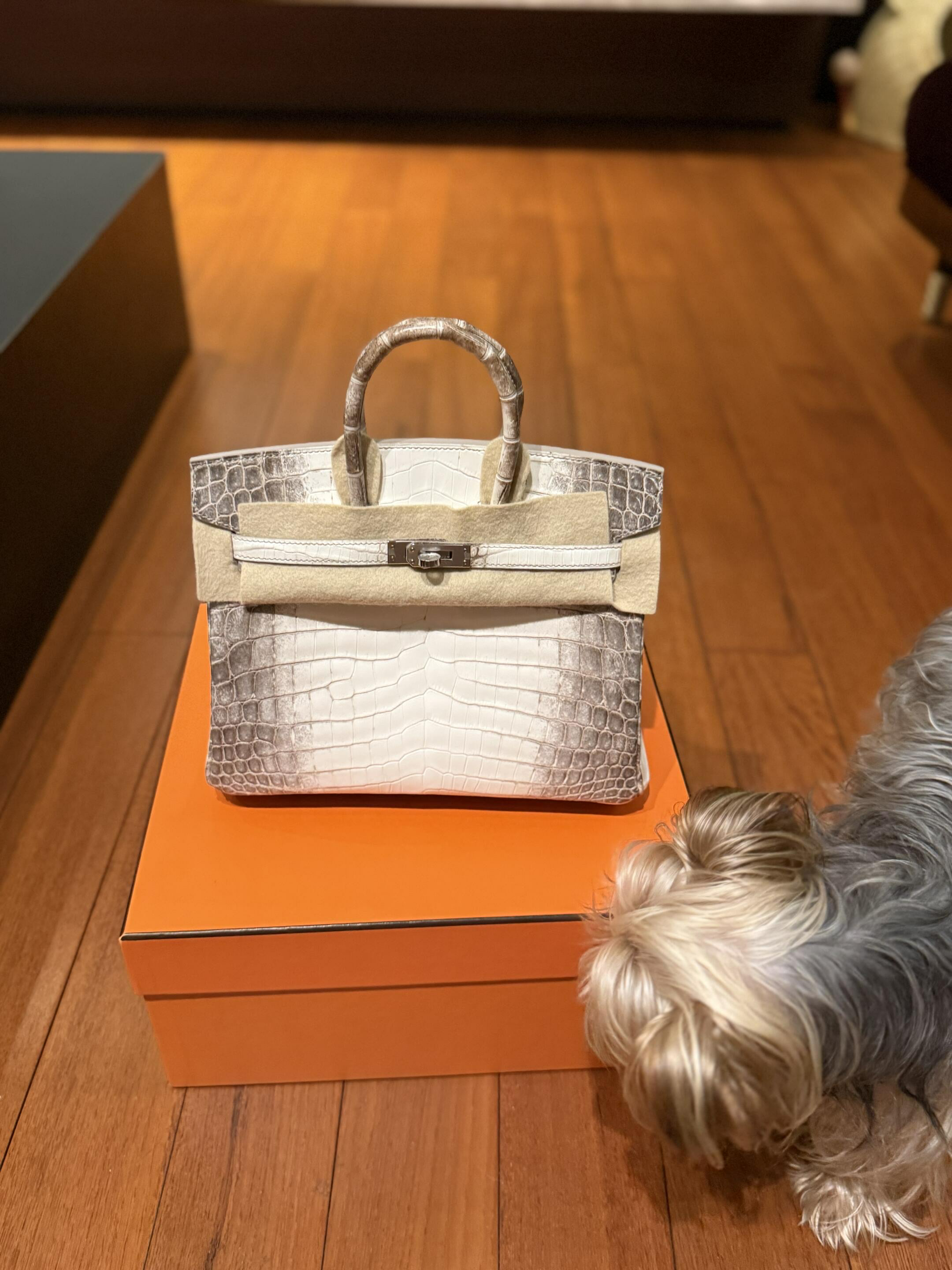
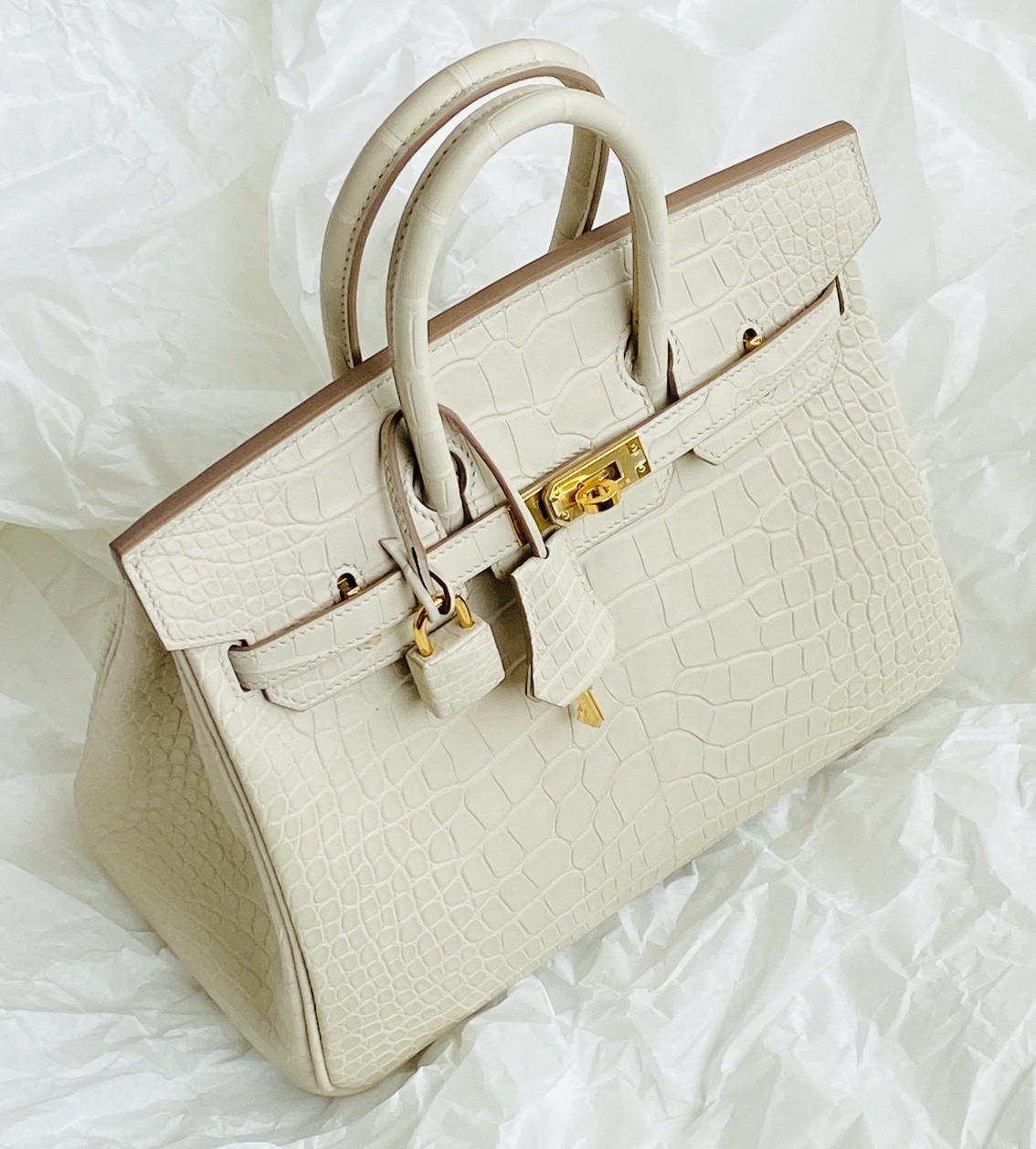
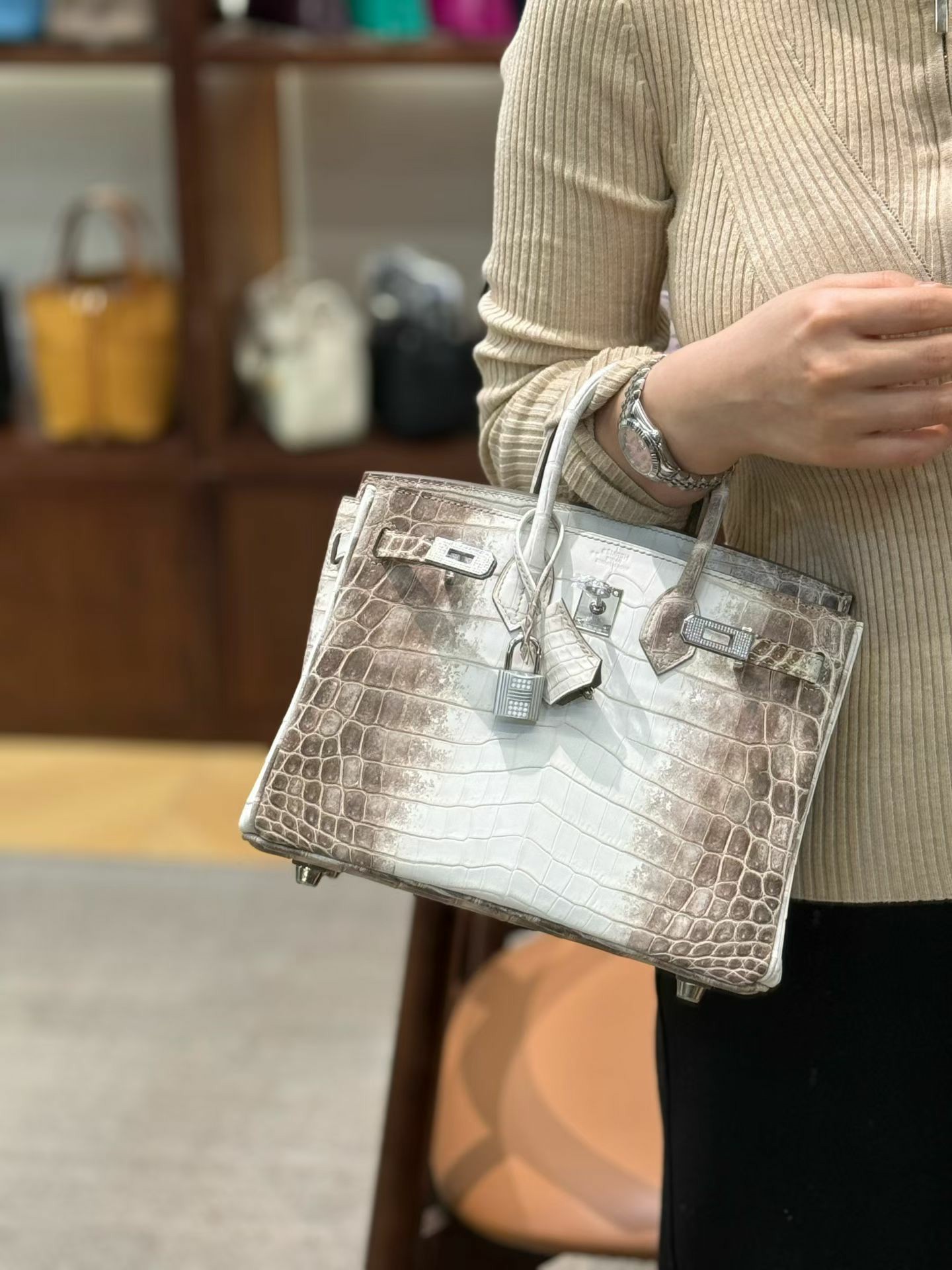
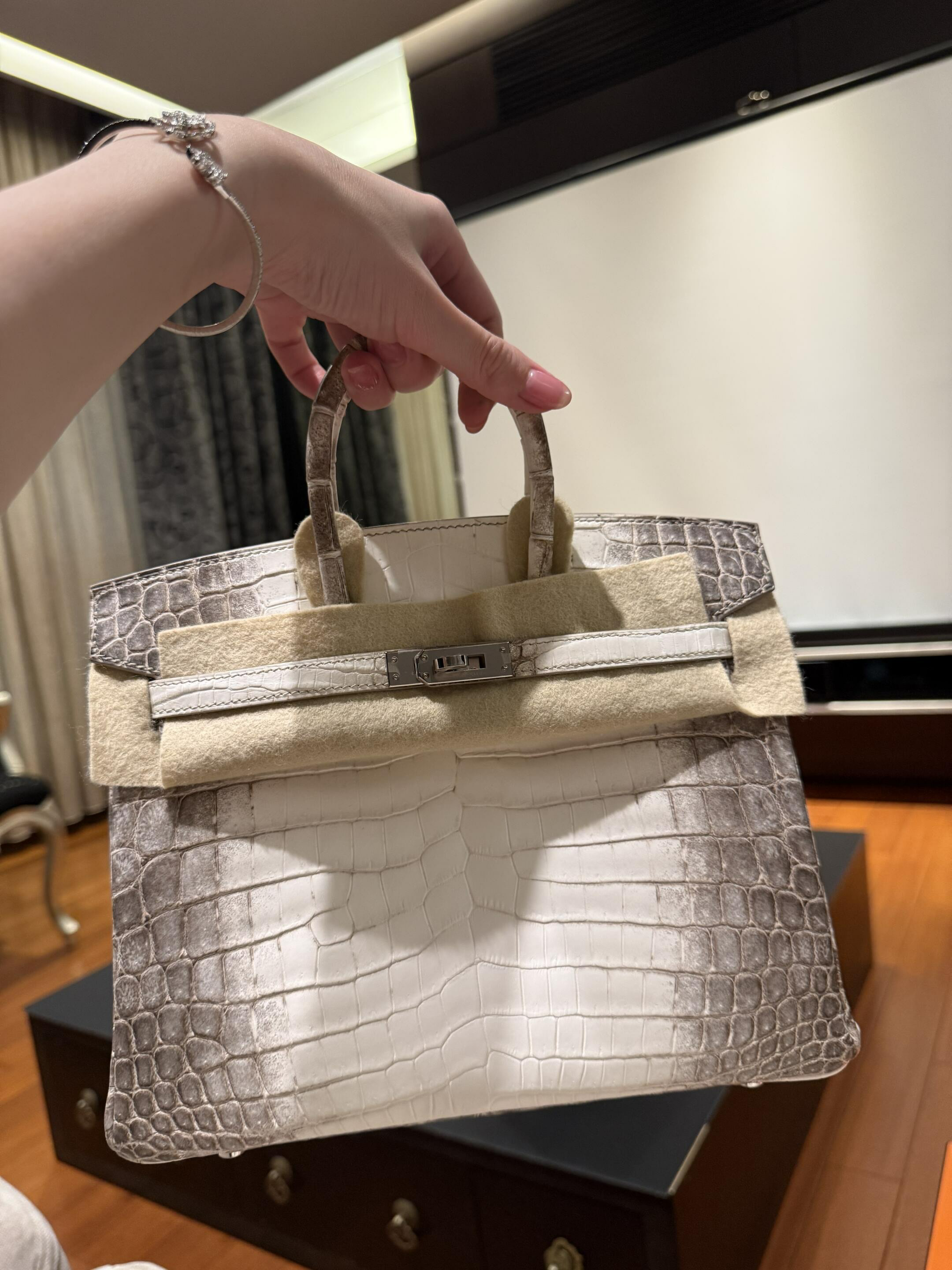
Our Himalaya Birkins feature a translucent, snow-white spine and a gradient as fluid as a morning mist.
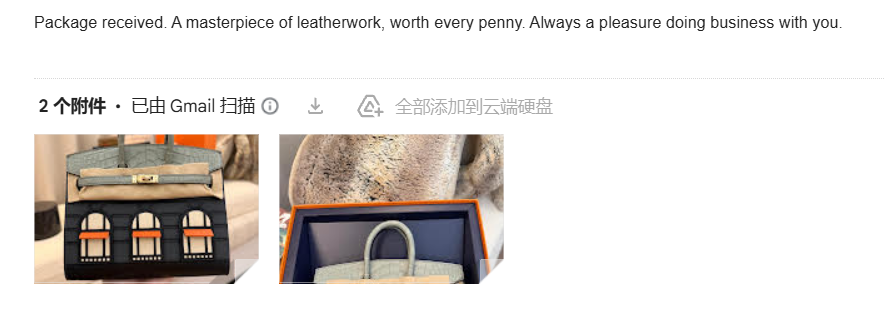
Package received. A masterpiece of leatherwork, worth every penny. Always a pleasure doing business with you.
![]() | ![]() |
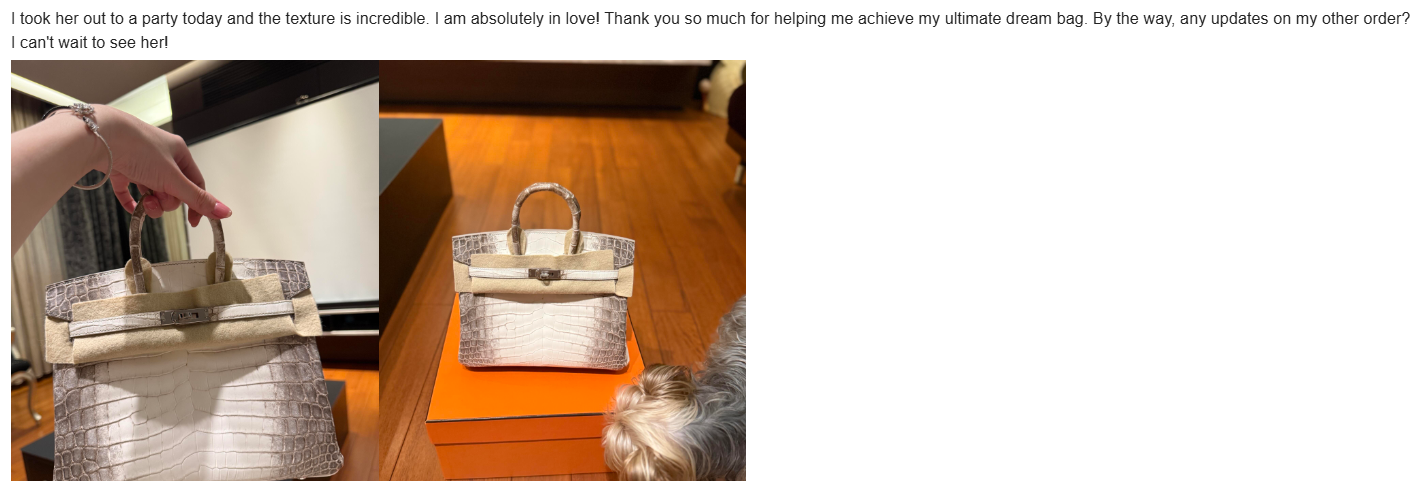
I took her out to a party today and the texture is incredible. I am absolutely in love! Thank you so much for helping me achieve my ultimate dream bag. By the way, any updates on my other order? I can’t wait to see her!
![]() | ![]() |
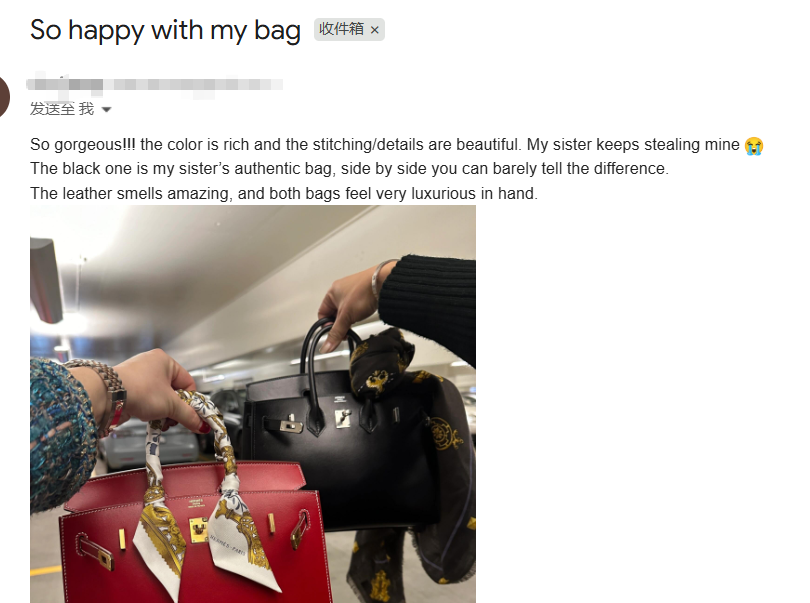
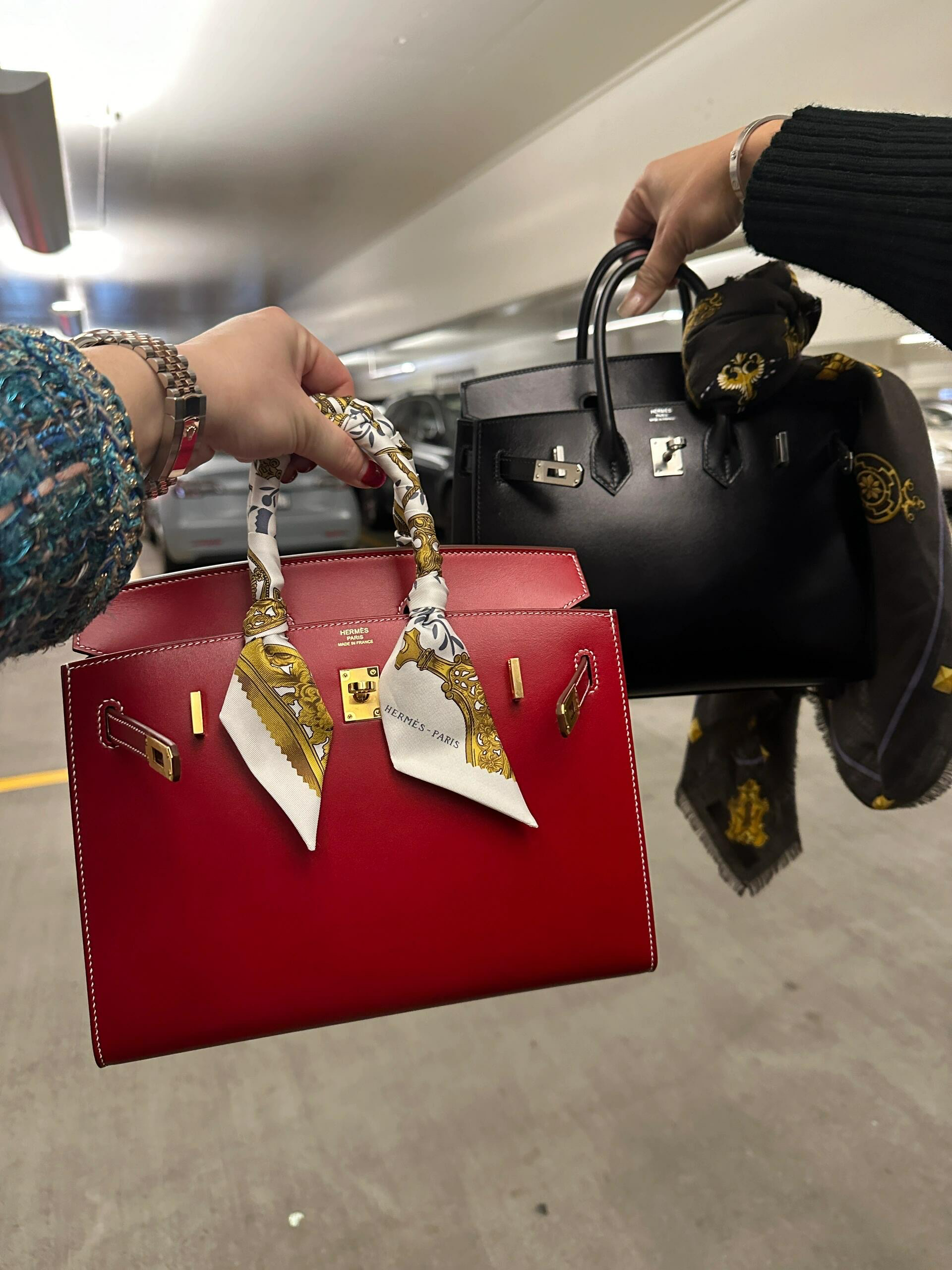
So gorgeous!!! the color is rich and the stitching/details are beautiful. My sister keeps stealing mine 😭
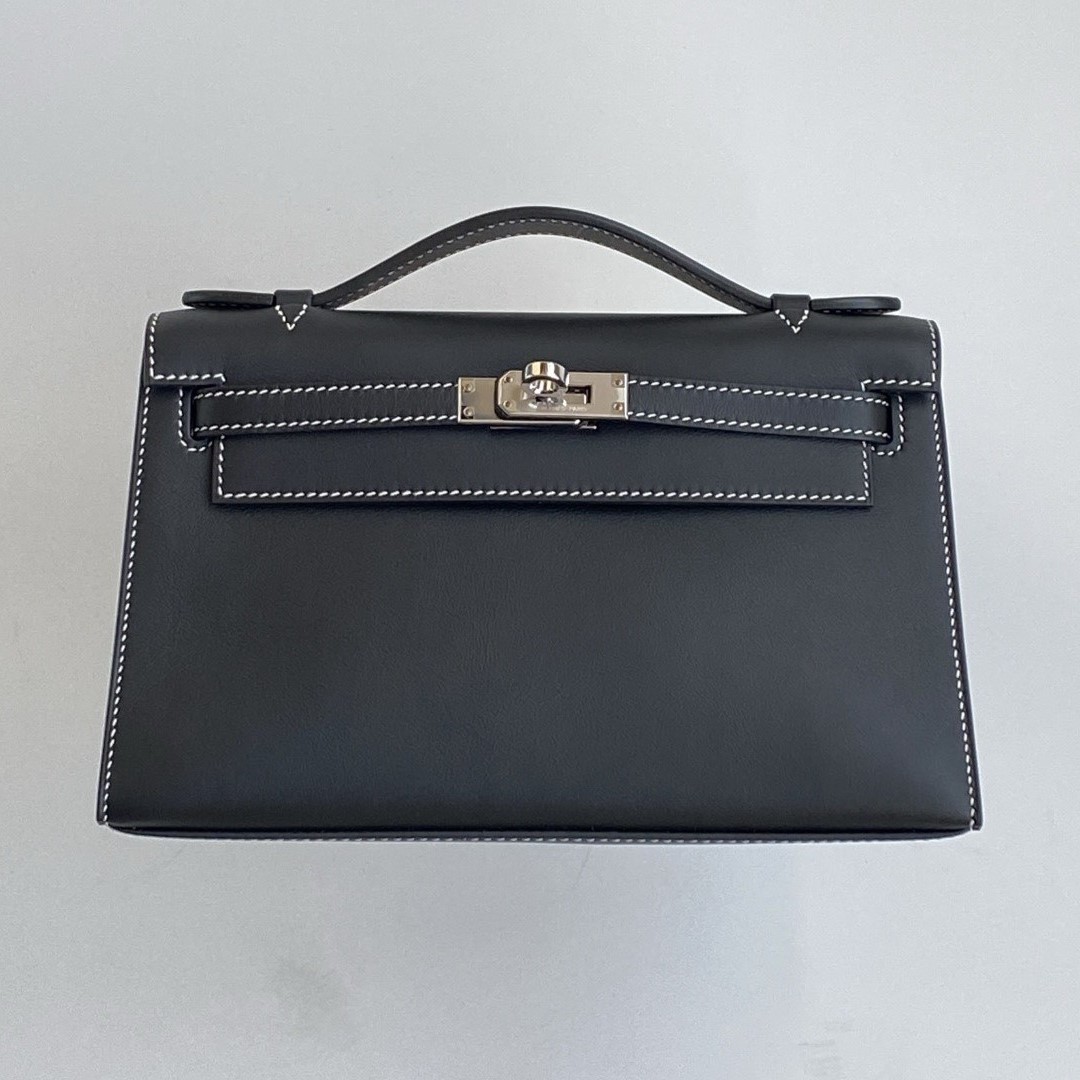
The black one is my sister’s authentic bag, side by side you can barely tell the difference.
The leather smells amazing, and both bags feel very luxurious in hand.
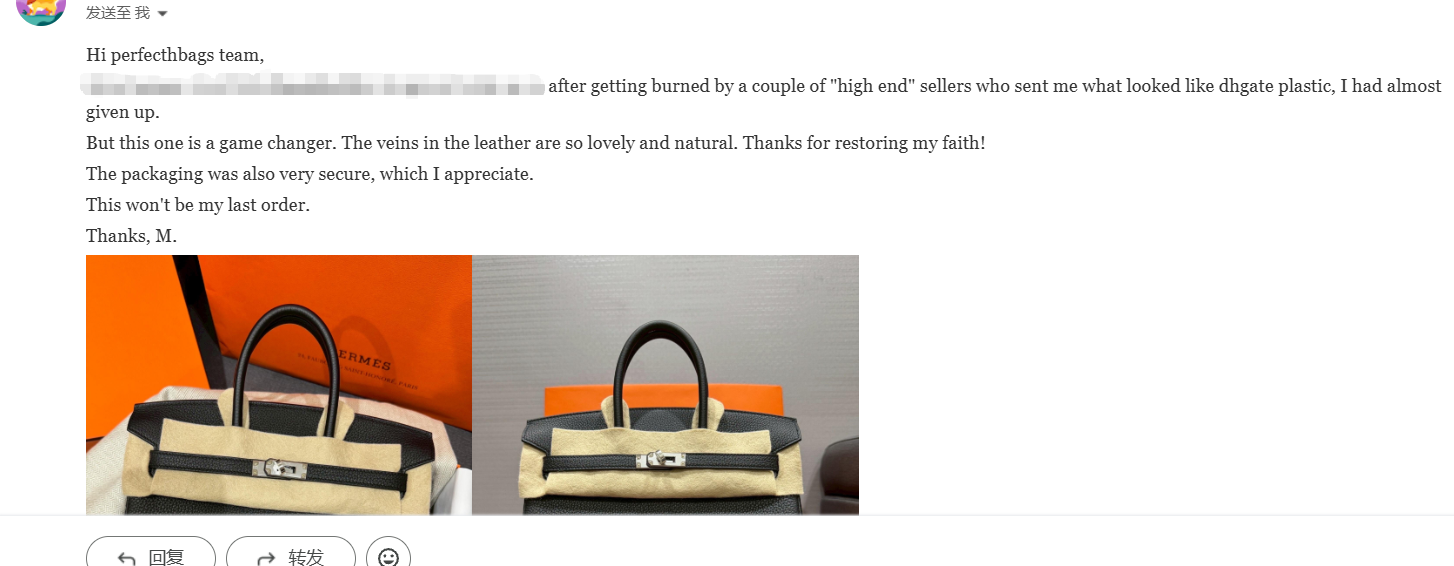
Hi perfecthbags team,
…after getting burned by a couple of “high end” sellers who sent me what looked like dhgate plastic, I had almost given up.
But this one is a game changer. The veins in the leather are so lovely and natural. Thanks for restoring my faith!
The packaging was also very secure, which I appreciate.
This won’t be my last order.
Thanks, M.
![]() | ![]() |
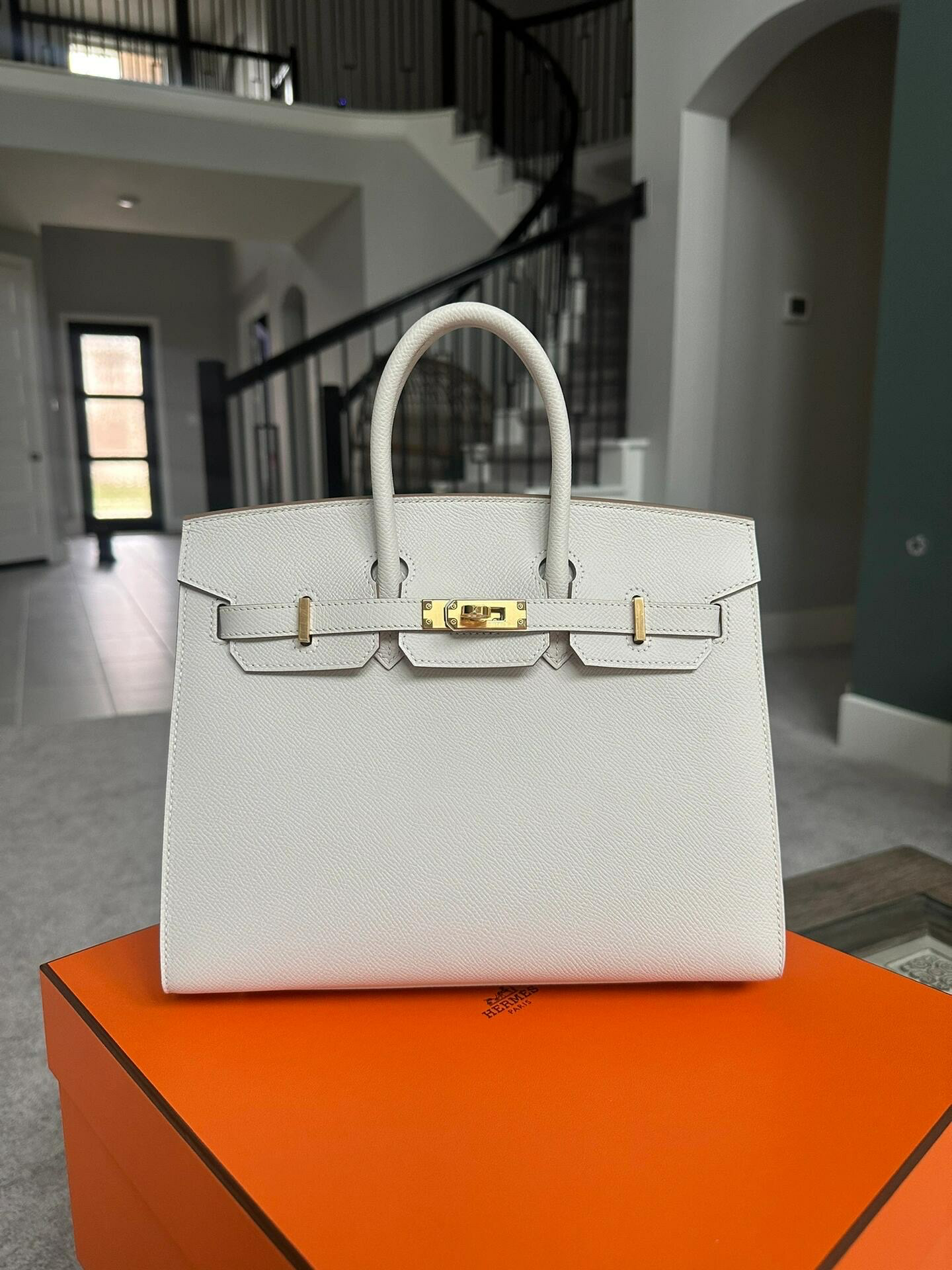
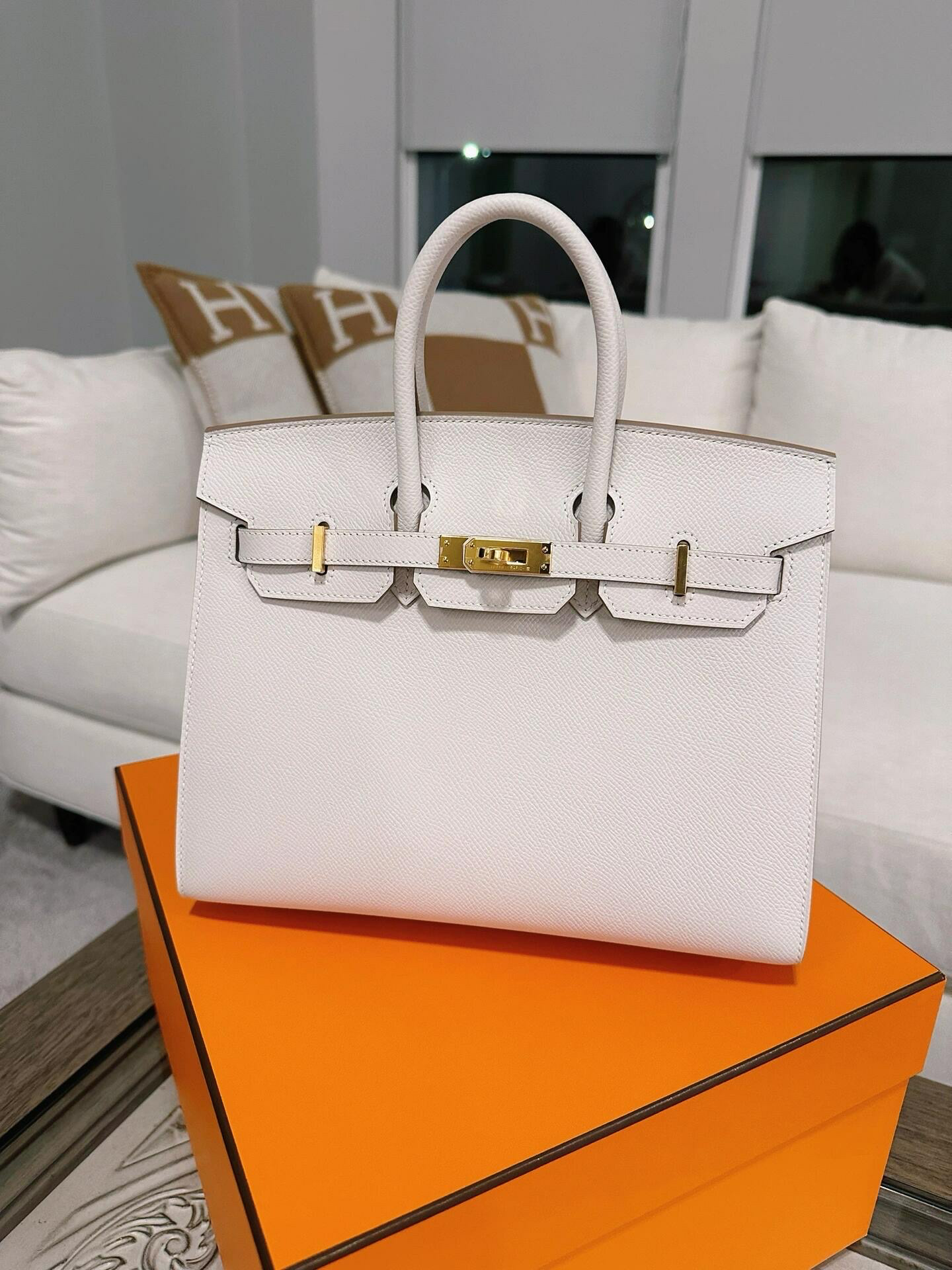
The white Birkin with GHW is the greatest idea ever…
I think I need a kelly 25 in vert criquet next to balance out my collection.
![]() | ![]() |
Once the noise on social media fades and the so-called “myth of origin” is stripped of its marketing halo, all that remains is the bag itself. In today’s Hermès China market, our purpose is not to participate in vanity-driven price games. We simply do one thing: cut away the inflated premiums, ensuring that every cent of your budget is invested directly into top-tier leathers and every single hand-sewn stitch.